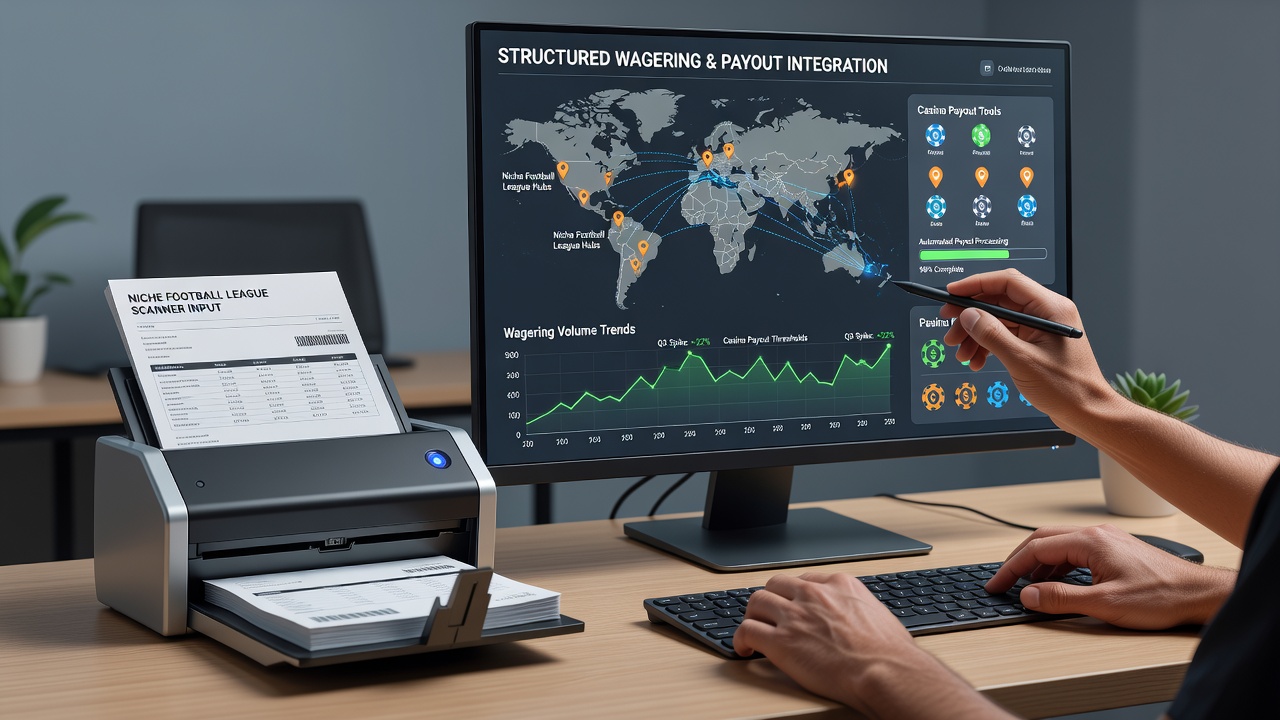
Scanner Integration Bridges Niche Football Leagues with Casino Payout Systems for Structured Approaches
Odds scanners now extend coverage to lesser-known football competitions across Europe, South America, and Asia, where data feeds from leagues like the Norwegian Eliteserien, Brazilian Serie B, and Japanese J2 League reveal pricing inefficiencies that larger markets overlook. These tools aggregate live odds from multiple operators and flag discrepancies within seconds, while casino payout mechanisms supply the structured withdrawal frameworks that convert those edges into scheduled bank transfers.
How Scanners Operate Across Smaller Competitions
Specialized software monitors thousands of markets simultaneously and applies algorithms to detect value gaps between bookmakers; observers note that this process works particularly well in divisions with fewer bettors because liquidity remains lower and line movements occur more slowly. In August 2026, several platforms expanded their league databases to include additional African and Central American fixtures, which broadened the range of available arbitrage opportunities for users who combine scanner alerts with disciplined bankroll allocation.
Operators supply real-time APIs that scanners pull into unified dashboards, allowing users to compare decimal, fractional, and American formats without manual conversion. Data from industry reports shows that average detection times for these discrepancies have dropped below four seconds on optimized connections, a figure that matters when markets in lower-tier leagues close quickly after kickoff.
Linking Scanner Alerts to Casino Payout Structures
Once scanners identify a favorable position, users route a portion of the stake through casino environments that offer predictable payout cycles, such as fixed withdrawal windows every 48 hours or automated clearance for verified accounts. This pairing creates a rhythm where winnings from football positions fund casino sessions that themselves trigger scheduled disbursements back to primary betting accounts.
Payment processors integrated with both sportsbooks and casinos handle the transfers through single wallets, reducing friction and minimizing exposure to currency fluctuations. Research from the European Gaming and Betting Association indicates that operators offering unified ledgers report higher retention among users who maintain consistent deposit and withdrawal patterns across product verticals.
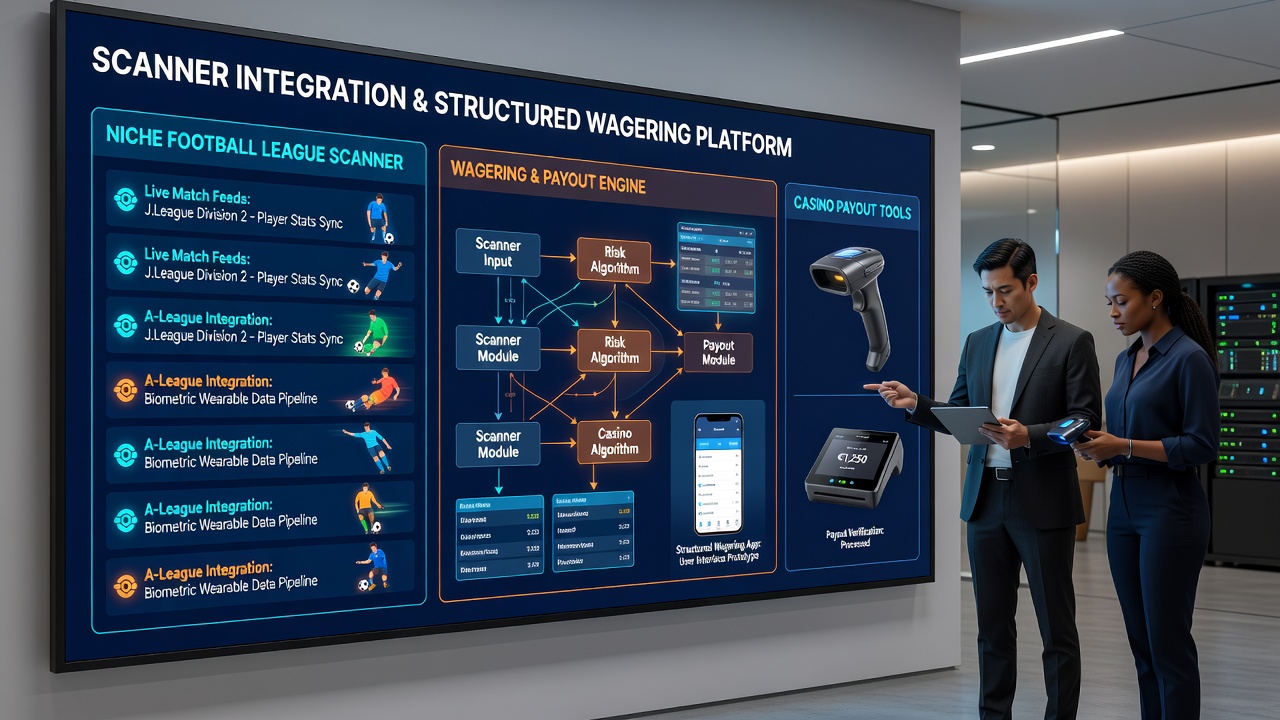
Practical Workflows Observed in 2026
One documented approach involves setting scanner parameters to monitor specific goal lines and Asian handicaps in the Argentine Primera Nacional, then allocating any detected edge into casino table games that carry fixed payout percentages. The casino component serves as an intermediate step that smooths cash flow, because winnings clear on predictable schedules rather than waiting for football settlement delays.
Users configure alerts to trigger only when the combined margin across paired markets exceeds a chosen threshold, typically 1.8 percent or higher. Casino side tools then categorize those funds into separate ledgers labeled for reinvestment or withdrawal, which helps maintain separation between active wagering capital and realized profits.
August 2026 brought updates to several scanner platforms that added automated export functions directly into casino management interfaces, eliminating manual copy-and-paste steps. Industry participants report that these integrations reduce operational errors and allow faster repositioning when new discrepancies appear in the same league fixtures.
Technical Requirements and Data Sources
Stable API connections and low-latency servers remain essential because niche league markets move on thinner volumes and correct faster once scanners highlight them. Providers supply historical datasets that users can backtest against past seasons, revealing patterns such as higher arbitrage frequency during midweek cup rounds compared with weekend league schedules.
Payment verification protocols at the casino end require identity checks that align with the same KYC standards applied by sportsbooks, which streamlines the overall process. Figures from academic studies on online gaming infrastructure show that unified verification systems cut account approval times by roughly 30 percent when operators share compliance data through secure channels.
Conclusion
Scanner integration with niche football leagues and casino payout tools creates measurable workflows that rely on real-time data feeds, scheduled disbursements, and unified account structures. As coverage expands and automation improves, these combined systems continue to supply structured pathways for participants who track discrepancies across smaller competitions while managing cash flow through casino mechanisms.