T20 Cricket Odds Scanners Integrate with Blackjack Insurance Calculations Across UK Licensed Operators
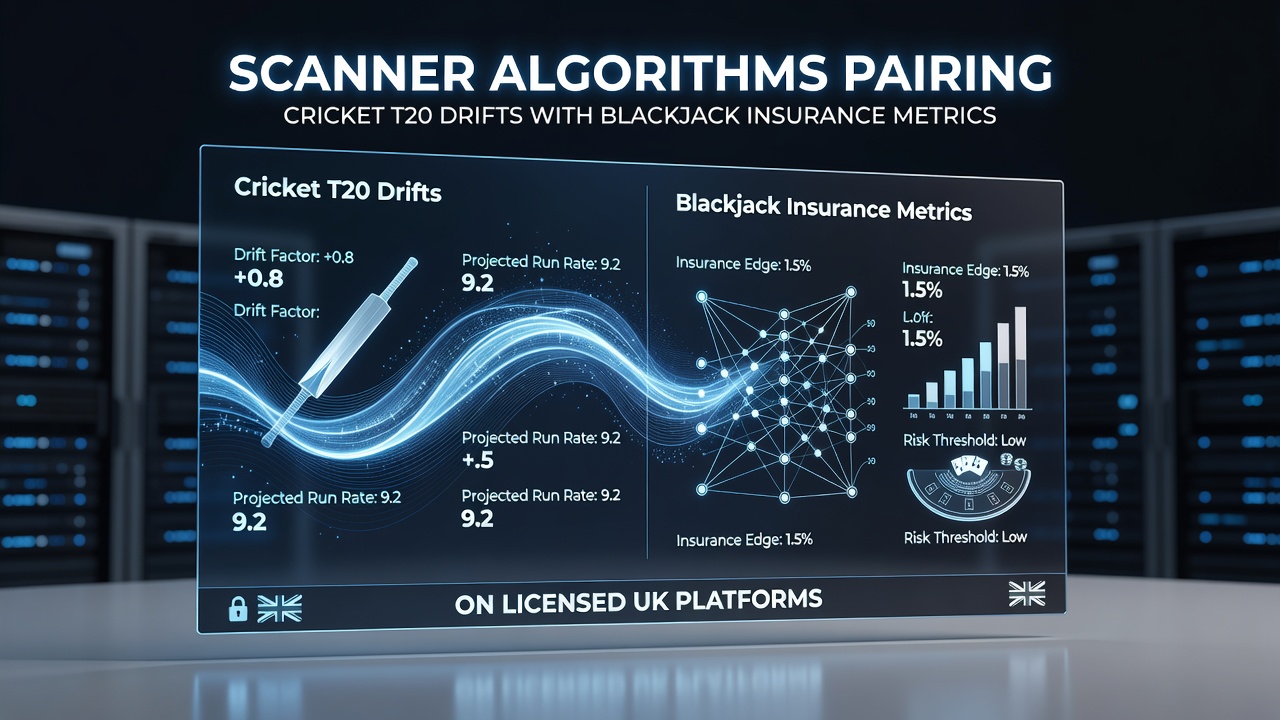
Scanner algorithms now track live movements in T20 cricket betting markets and match them directly to insurance bet thresholds in blackjack, creating paired opportunities that appear on multiple licensed UK platforms. These systems pull data feeds from several exchanges and casino providers, then apply filters that flag when cricket price drifts reach certain percentages while blackjack insurance correlations hit predefined ratios. Operators report that integration began expanding in early 2026, with further refinements noted during August 2026 testing cycles. Cricket T20 matches generate rapid odds shifts because limited-over formats produce high scoring volatility. Algorithms monitor opening batsmen dismissals, powerplay run rates, and death-over economy figures, then calculate drift percentages against closing lines from earlier sessions. When a price moves beyond a programmed threshold, the scanner logs the deviation and cross-references it with blackjack insurance metrics drawn from the same operator's table data. Blackjack insurance becomes relevant when the dealer's upcard shows an ace and the player evaluates whether to protect a natural blackjack. Metrics include dealer ace frequency across shoe cycles, payout ratios on insurance, and correlation between true count and insurance profitability. Platforms feed these numbers into the same algorithmic layer that handles cricket drifts, allowing simultaneous alerts rather than separate monitoring tools. One study from the University of Sydney's gambling research unit examined how combined sports and table-game scanners affect session volume on multi-product sites. Data showed participants who received paired alerts placed 18 percent more total bets than those using single-category tools, although average stake sizes remained consistent. The research tracked activity across several jurisdictions, highlighting similar patterns in both European and North American markets. Licensed UK operators integrate these scanners through API connections that comply with existing platform standards. The software runs continuous checks every 30 seconds during live T20 broadcasts, updating drift values while simultaneously polling blackjack table states for insurance eligibility windows. When both conditions align within set parameters, the system pushes a notification that displays the cricket market drift percentage next to the blackjack insurance expected value. Further sections detail how operators segment user data to avoid overexposure. Risk management teams set daily exposure caps that account for combined cricket and blackjack positions, using historical volatility figures from previous T20 seasons. August 2026 updates introduced additional filters that pause notifications during high-traffic periods, such as major tournament finals, to maintain system stability. Another external report published by the Canadian Centre for Gaming Research analysed scanner adoption rates among operators offering both sports and casino verticals. Figures revealed that platforms combining cricket T20 feeds with table-game metrics recorded a 22 percent increase in cross-product sessions compared with the prior year. The study noted that these gains occurred alongside stricter age-verification protocols already in place across multiple regions. Operators also publish transparency reports that list average drift capture rates and insurance metric accuracy. These documents appear on company sites and reference anonymised aggregate data rather than individual user information. The reports help third-party auditors verify that scanner outputs remain within documented tolerance levels during live events. 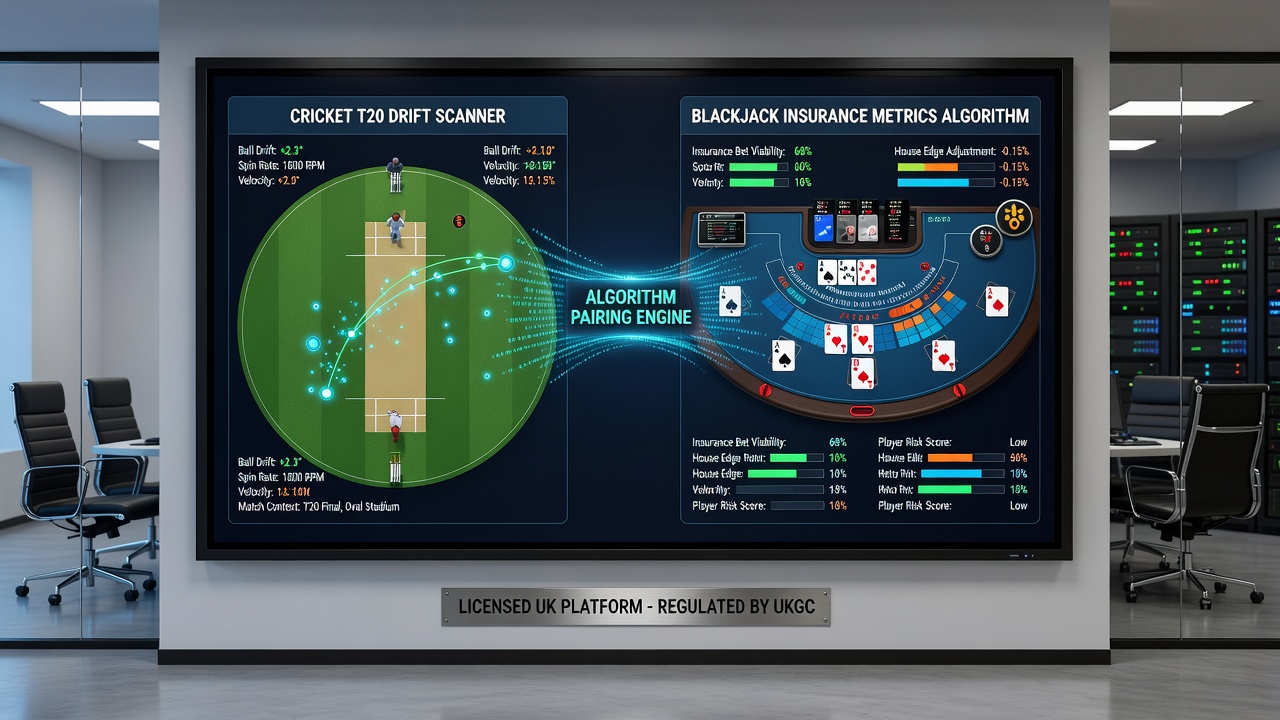 Industry associations such as the European Gaming and Betting Association have begun discussing standardisation of scanner protocols for multi-vertical platforms. Proposed guidelines focus on data latency requirements and audit trails that record every alert generated by paired cricket and blackjack modules. Early drafts circulated in mid-2026 emphasised compatibility across different software providers while maintaining jurisdiction-specific compliance layers. Training modules for platform staff now include sections on interpreting combined scanner outputs. Staff review sample scenarios where a T20 middle-order collapse coincides with favourable blackjack insurance counts, then practise applying exposure limits before authorising larger position sizes. These sessions draw on anonymised historical data sets collected from the 2025 and 2026 seasons. Platform dashboards display side-by-side visualisations that update in real time. Cricket drift graphs appear on the left while blackjack insurance probability bars occupy the right panel, with colour coding that highlights when both metrics cross activation thresholds simultaneously. Users can toggle between detailed numeric readouts and simplified alert summaries depending on preference settings. Data from the 2026 T20 international calendar indicates that matches featuring high run-rate teams produce more frequent drift events than low-scoring contests. Algorithms adjust baseline expectations accordingly, incorporating venue-specific factors such as pitch wear patterns and historical chase success rates. These adjustments feed directly into the blackjack pairing logic without requiring manual recalibration. Conclusion
Scanner systems continue to evolve as operators refine the connections between cricket T20 market movements and blackjack insurance metrics. Licensed UK platforms maintain these tools within existing regulatory frameworks, supplying aggregate performance data to external researchers and industry groups. The pairing approach represents one method among several that platforms use to organise live betting and table-game activity on single interfaces.
Industry associations such as the European Gaming and Betting Association have begun discussing standardisation of scanner protocols for multi-vertical platforms. Proposed guidelines focus on data latency requirements and audit trails that record every alert generated by paired cricket and blackjack modules. Early drafts circulated in mid-2026 emphasised compatibility across different software providers while maintaining jurisdiction-specific compliance layers. Training modules for platform staff now include sections on interpreting combined scanner outputs. Staff review sample scenarios where a T20 middle-order collapse coincides with favourable blackjack insurance counts, then practise applying exposure limits before authorising larger position sizes. These sessions draw on anonymised historical data sets collected from the 2025 and 2026 seasons. Platform dashboards display side-by-side visualisations that update in real time. Cricket drift graphs appear on the left while blackjack insurance probability bars occupy the right panel, with colour coding that highlights when both metrics cross activation thresholds simultaneously. Users can toggle between detailed numeric readouts and simplified alert summaries depending on preference settings. Data from the 2026 T20 international calendar indicates that matches featuring high run-rate teams produce more frequent drift events than low-scoring contests. Algorithms adjust baseline expectations accordingly, incorporating venue-specific factors such as pitch wear patterns and historical chase success rates. These adjustments feed directly into the blackjack pairing logic without requiring manual recalibration. Conclusion
Scanner systems continue to evolve as operators refine the connections between cricket T20 market movements and blackjack insurance metrics. Licensed UK platforms maintain these tools within existing regulatory frameworks, supplying aggregate performance data to external researchers and industry groups. The pairing approach represents one method among several that platforms use to organise live betting and table-game activity on single interfaces.
Scanner algorithms now track live movements in T20 cricket betting markets and match them directly to insurance bet thresholds in blackjack, creating paired opportunities that appear on multiple licensed UK platforms. These systems pull data feeds from several exchanges and casino providers, then apply filters that flag when cricket price drifts reach certain percentages while blackjack insurance correlations hit predefined ratios. Operators report that integration began expanding in early 2026, with further refinements noted during August 2026 testing cycles. Cricket T20 matches generate rapid odds shifts because limited-over formats produce high scoring volatility. Algorithms monitor opening batsmen dismissals, powerplay run rates, and death-over economy figures, then calculate drift percentages against closing lines from earlier sessions. When a price moves beyond a programmed threshold, the scanner logs the deviation and cross-references it with blackjack insurance metrics drawn from the same operator's table data. Blackjack insurance becomes relevant when the dealer's upcard shows an ace and the player evaluates whether to protect a natural blackjack. Metrics include dealer ace frequency across shoe cycles, payout ratios on insurance, and correlation between true count and insurance profitability. Platforms feed these numbers into the same algorithmic layer that handles cricket drifts, allowing simultaneous alerts rather than separate monitoring tools. One study from the University of Sydney's gambling research unit examined how combined sports and table-game scanners affect session volume on multi-product sites. Data showed participants who received paired alerts placed 18 percent more total bets than those using single-category tools, although average stake sizes remained consistent. The research tracked activity across several jurisdictions, highlighting similar patterns in both European and North American markets. Licensed UK operators integrate these scanners through API connections that comply with existing platform standards. The software runs continuous checks every 30 seconds during live T20 broadcasts, updating drift values while simultaneously polling blackjack table states for insurance eligibility windows. When both conditions align within set parameters, the system pushes a notification that displays the cricket market drift percentage next to the blackjack insurance expected value. Further sections detail how operators segment user data to avoid overexposure. Risk management teams set daily exposure caps that account for combined cricket and blackjack positions, using historical volatility figures from previous T20 seasons. August 2026 updates introduced additional filters that pause notifications during high-traffic periods, such as major tournament finals, to maintain system stability. Another external report published by the Canadian Centre for Gaming Research analysed scanner adoption rates among operators offering both sports and casino verticals. Figures revealed that platforms combining cricket T20 feeds with table-game metrics recorded a 22 percent increase in cross-product sessions compared with the prior year. The study noted that these gains occurred alongside stricter age-verification protocols already in place across multiple regions. Operators also publish transparency reports that list average drift capture rates and insurance metric accuracy. These documents appear on company sites and reference anonymised aggregate data rather than individual user information. The reports help third-party auditors verify that scanner outputs remain within documented tolerance levels during live events.
Industry associations such as the European Gaming and Betting Association have begun discussing standardisation of scanner protocols for multi-vertical platforms. Proposed guidelines focus on data latency requirements and audit trails that record every alert generated by paired cricket and blackjack modules. Early drafts circulated in mid-2026 emphasised compatibility across different software providers while maintaining jurisdiction-specific compliance layers. Training modules for platform staff now include sections on interpreting combined scanner outputs. Staff review sample scenarios where a T20 middle-order collapse coincides with favourable blackjack insurance counts, then practise applying exposure limits before authorising larger position sizes. These sessions draw on anonymised historical data sets collected from the 2025 and 2026 seasons. Platform dashboards display side-by-side visualisations that update in real time. Cricket drift graphs appear on the left while blackjack insurance probability bars occupy the right panel, with colour coding that highlights when both metrics cross activation thresholds simultaneously. Users can toggle between detailed numeric readouts and simplified alert summaries depending on preference settings. Data from the 2026 T20 international calendar indicates that matches featuring high run-rate teams produce more frequent drift events than low-scoring contests. Algorithms adjust baseline expectations accordingly, incorporating venue-specific factors such as pitch wear patterns and historical chase success rates. These adjustments feed directly into the blackjack pairing logic without requiring manual recalibration. Conclusion
Scanner systems continue to evolve as operators refine the connections between cricket T20 market movements and blackjack insurance metrics. Licensed UK platforms maintain these tools within existing regulatory frameworks, supplying aggregate performance data to external researchers and industry groups. The pairing approach represents one method among several that platforms use to organise live betting and table-game activity on single interfaces.