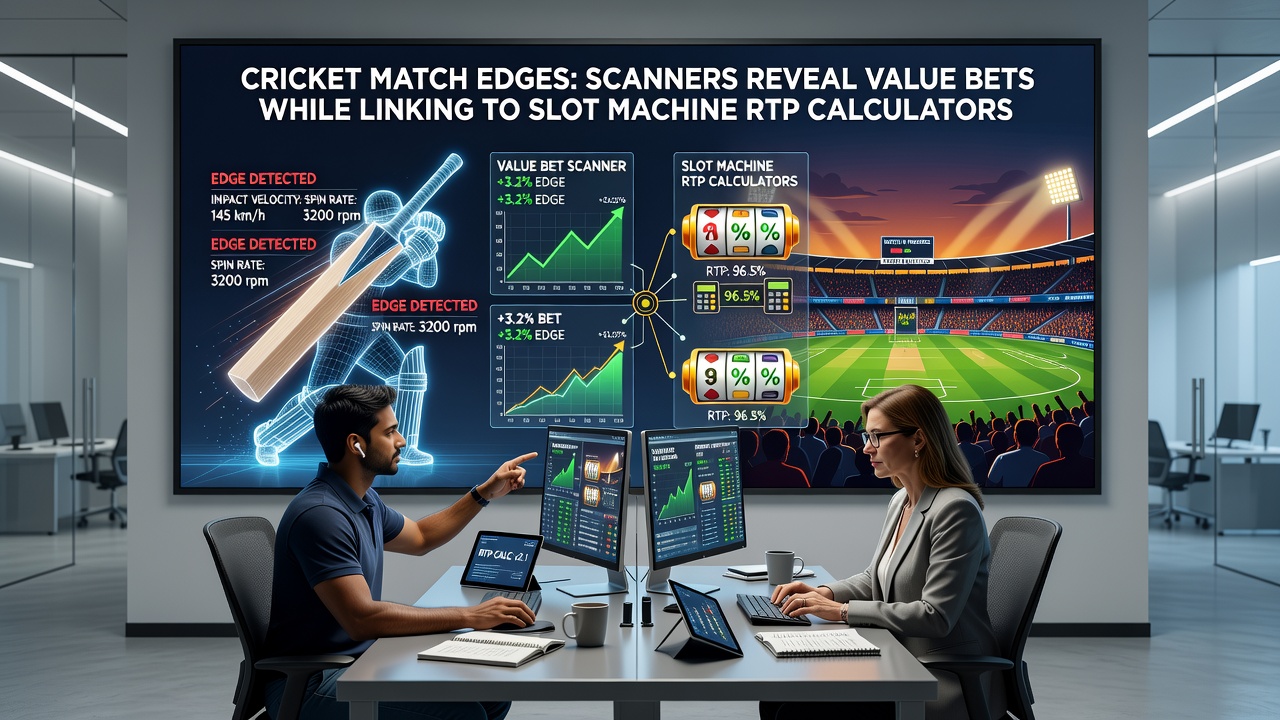
Cricket Value Detection: Odds Scanners Reveal Edges Through Integration With RTP Calculators
Cricket matches generate extensive betting markets where odds scanners track fluctuations across multiple bookmakers and identify discrepancies that create potential value opportunities for bettors who monitor live data feeds. These tools compare implied probabilities against statistical models derived from player performance records, pitch conditions, and historical head-to-head results while flagging instances where the offered odds exceed calculated break-even points. Observers note that scanners operate continuously during international and domestic fixtures, updating in real time as new information emerges from on-field developments.
Scanner Mechanics in Cricket Markets
Scanners aggregate data from dozens of operators and apply algorithms that calculate expected value for each available line, including match winner, over/under totals, and player-specific props such as runs scored or wickets taken. Researchers have documented how these systems highlight lines where the margin between the scanner's probability estimate and the bookmaker's implied probability produces positive expected returns over repeated placements. Data from major tournaments shows increased scanner activity during T20 and ODI formats because shorter games produce more volatile price movements that create temporary inefficiencies.
Betting volumes in cricket have risen steadily, and scanners help users isolate moments when public sentiment drives odds away from fundamental values. Those who study these patterns point to specific series where late adjustments in team lineups or weather forecasts triggered detectable drifts that scanners captured within seconds of the information becoming public.
Linking Cricket Edges to Slot RTP Analysis
Operators and third-party developers have begun connecting cricket scanner outputs with slot machine RTP calculators that determine theoretical return percentages across game libraries. The integration allows users to view cricket value indicators alongside RTP figures for selected slots, creating a single dashboard that displays both sports betting edges and casino game payout rates. This linkage emerged as platforms expanded their product offerings and sought unified analytics tools for users who participate in multiple verticals.
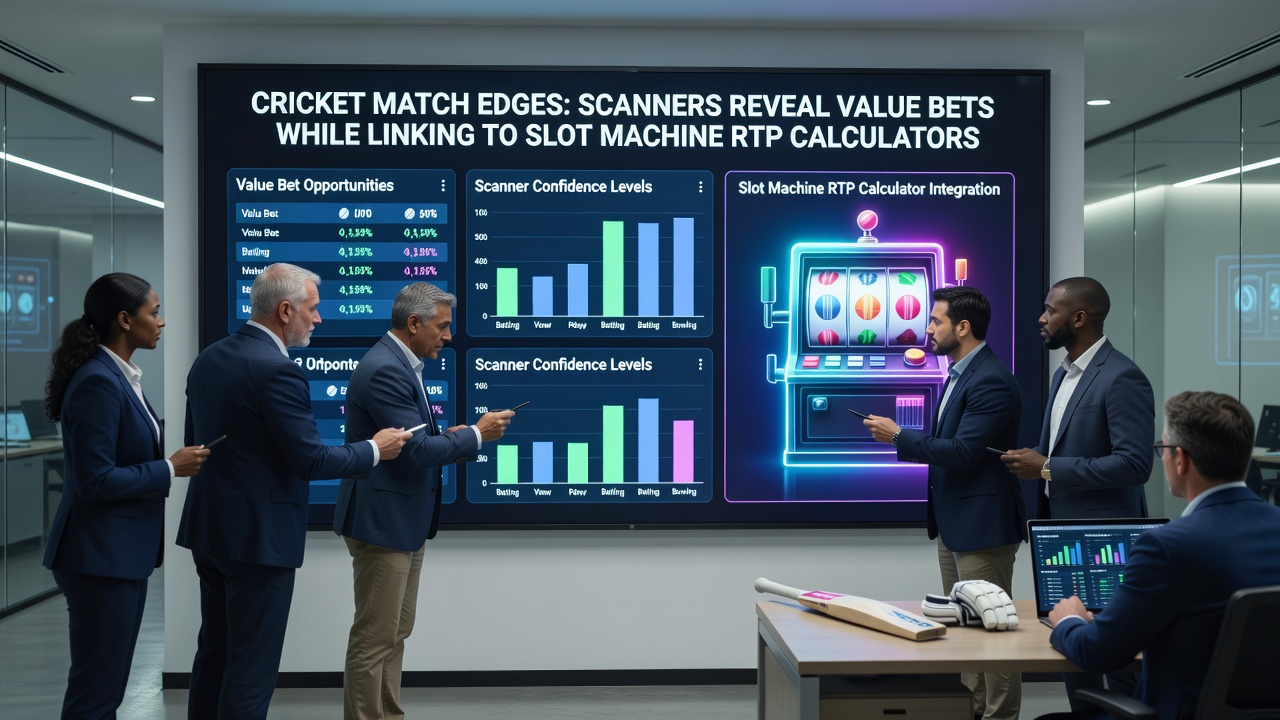
Calculators pull certified RTP data from game providers and compare it against actual observed returns reported by regulatory testing labs. When paired with cricket scanners, the combined interface lets users adjust stake allocation across categories based on current value availability rather than treating each product type in isolation. Figures released in September 2026 indicated that platforms offering such integrated views recorded higher session durations among users who previously switched between separate sports and casino applications.
Market Data and Tool Adoption
Industry reports compiled by gaming analytics firms show scanner usage concentrated among users who track multiple leagues simultaneously, with cricket ranking alongside football and tennis in total monitored markets. RTP calculators meanwhile receive regular updates whenever new slot titles receive certification, ensuring displayed percentages reflect the most recent independent verifications. Users often discover that periods of high cricket betting activity coincide with shifts in slot engagement, particularly when major tournaments overlap with new game releases.
According to findings from the Gambling Research Exchange Ontario, cross-product tool adoption correlates with structured bankroll management practices that allocate portions of capital according to identified value rather than fixed preferences. Similar patterns appear in data tracked by the Australian Gambling Research Centre, where researchers observed increased use of combined analytics during the 2025-2026 cricket season across Australasian markets.
Practical Implementation Examples
One documented case involved a scanner detecting an over-total line in a bilateral T20 series that deviated from model projections after an unexpected change in bowling attack; the same user simultaneously referenced an RTP calculator to select a medium-volatility slot for the remaining session balance. Another instance showed scanners flagging live in-play opportunities during a rain-affected match while the linked calculator highlighted a progressive jackpot slot whose current RTP exceeded its base rate due to accumulated contributions. These pairings illustrate how the tools operate in tandem without requiring separate applications or manual data transfers.
Conclusion
Cricket odds scanners continue to surface value opportunities through real-time comparison of bookmaker lines against statistical benchmarks, and their connection to slot RTP calculators supplies users with consolidated metrics across betting categories. The integration reflects broader platform development trends that consolidate analytics functions, with adoption data indicating measurable effects on user behavior during peak tournament windows. As certification standards and data feeds evolve, the linkage between these distinct toolsets maintains relevance for participants who monitor multiple gambling verticals simultaneously.